Madrid · Healthcare
Healthcare in Madrid: Local Context
Madrid offers comprehensive public and private healthcare as Spain's capital. This guide covers what's specific to accessing healthcare in Madrid and how the regional system works.
Last reviewed: January 2026
Local context for planning purposes. Not medical or legal advice. Verify with official sources.
This page explains healthcare access in Madrid and what differs from general Spain healthcare information.
- How to register with SERMAS (Madrid's health service)
- What the Centro de Salud system involves
- Private healthcare options available locally
- What to expect from Madrid's healthcare infrastructure
Healthcare in Madrid runs through SERMAS (Servicio Madrileño de Salud), the regional health service. As Spain's capital, Madrid has some of the country's largest hospitals and most extensive healthcare infrastructure. If you have the right to public healthcare in Spain, you access it through Madrid's SERMAS network.
The city has strong coverage. Major hospitals like La Paz, 12 de Octubre, Gregorio Marañón, and Ramón y Cajal serve as reference centers. Centros de Salud (health centers) are spread across all neighborhoods. Private clinics and hospitals are abundant, with many international options.
What this means: Madrid's healthcare is accessible and well-resourced once you're in the system. The scale of the city means more options but also more demand. Initial registration is straightforward. The main friction points are specialist wait times and navigating a large system.
Madrid's healthcare reality
Public healthcare access depends on your status. If you're employed or self-employed (autónomo) and paying into social security, you're covered. If you're on certain visas, you may need private insurance initially. Retired EU citizens can use the S1 form. The rules vary—check your specific situation before assuming coverage.
Registration happens at your assigned Centro de Salud based on your empadronamiento address. You'll need your NIE, empadronamiento certificate, and proof of social security affiliation or private insurance. The center assigns you a primary care doctor (médico de cabecera) who becomes your first point of contact.
Madrid's health centers handle high volume. Central districts like Centro, Salamanca, and Chamberí have significant demand. Appointment waits vary—routine visits typically take a few days to a week. Specialist referrals can take weeks to months. Outer districts often have shorter waits.
Private healthcare is extensive in Madrid. Sanitas, Adeslas, ASISA, Cigna, and international providers all operate here. The capital has numerous private hospitals including HM Hospitales, Quirónsalud, and Ruber Internacional. Private insurance costs roughly €50–150 per month depending on age and coverage.
SERMAS registration in Madrid
Your Centro de Salud is determined by your registered address. Madrid has health centers across all districts—Malasaña, Lavapiés, Retiro, and every neighborhood has one or more. You cannot choose freely; you go to the one assigned to your zone.
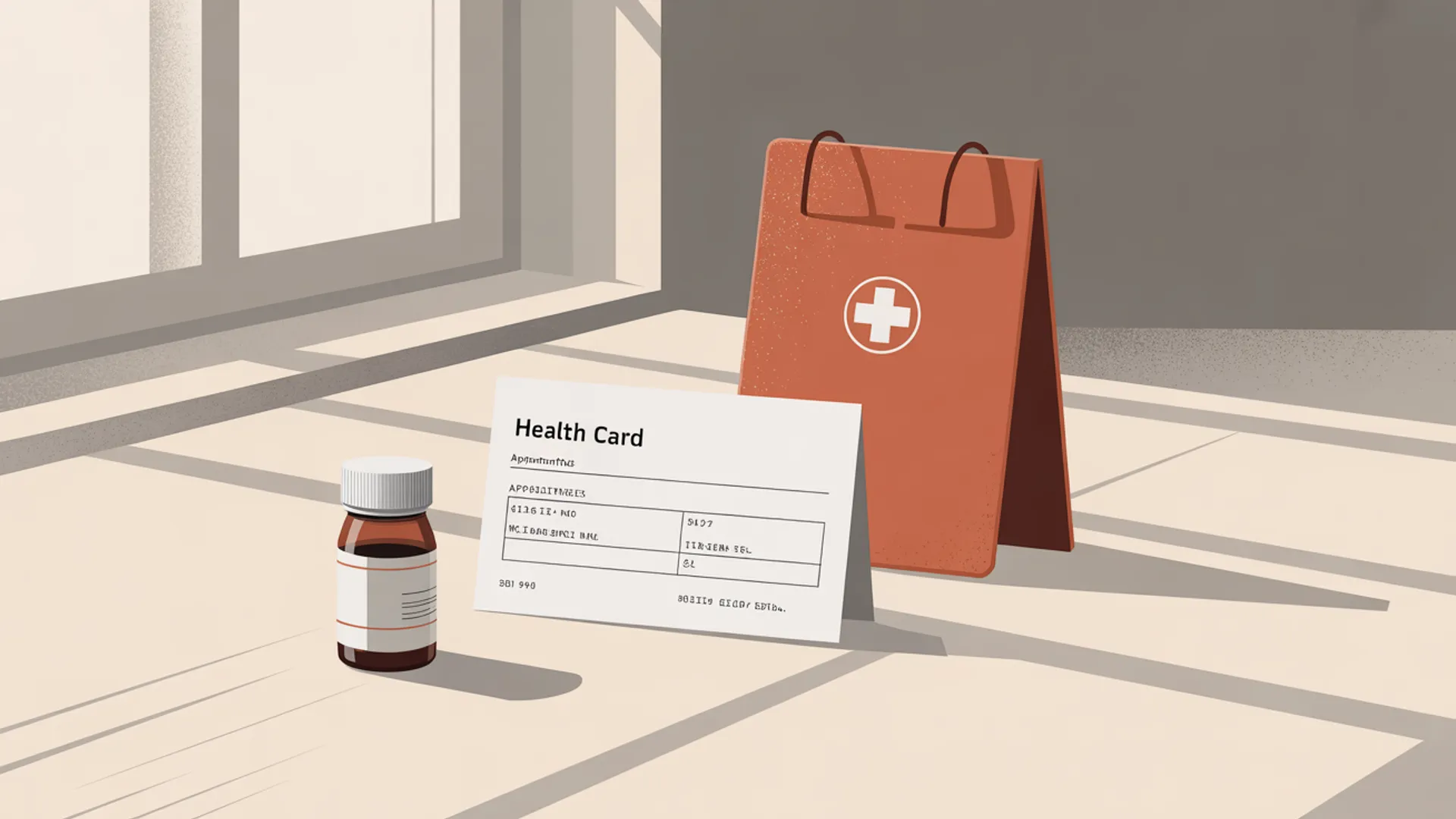
Registration requires visiting your Centro de Salud in person with documents. Many centers allow appointment booking through the SERMAS website or app. Once registered, you receive a Tarjeta Sanitaria (health card) that you'll use for all public healthcare in the Madrid region.
Scale and options in the capital
Madrid's size means more healthcare options than anywhere else in Spain. You'll find specialists in every field, multiple hospital choices, and extensive private clinic networks. This abundance can be useful but also overwhelming when you're new.
The capital also attracts medical tourism and has clinics specifically serving international patients. English-speaking doctors are more available here than in smaller cities, particularly in private practices around Salamanca and Chamberí districts.
Key tradeoffs
The main choice is between public healthcare and private insurance.
Public Healthcare (SERMAS)
- • Free or very low cost once registered and eligible.
- • Access to Spain's largest public hospitals and specialists.
- • Higher demand means longer waits in some areas.
Private Healthcare
- • Faster access to specialists and elective procedures.
- • More English-speaking options available.
- • Monthly premiums plus potential copays for some services.
Common approach
- Register with SERMAS for baseline coverage.
- Use public healthcare for emergencies and major procedures.
- Add private insurance if faster routine access matters to you.
What to verify
Before registering or choosing providers, confirm these details based on your situation.
- Whether your visa type and status qualifies you for public healthcare Learn more
- Which Centro de Salud serves your registered address in Madrid
- What documents your health center requires for registration
- Whether your employer has enrolled you in social security
- If private insurance is required for your visa application Learn more
- What your private insurance covers if you have it (network, copays, exclusions)
Common pitfalls
These are the issues that catch people off guard most often with Madrid healthcare.
Next steps
Once you understand how Madrid healthcare works, these guides cover related topics.
Sources & references
Official Sources
- SERMAS – Madrid regional health service
- Spanish Ministry of Health – National health system information
Practical References
- Madrid municipal services – Local registration and services
- Expat community documentation – Real-world healthcare experiences in Madrid
Information gathered from these sources as of January 2026. Local practices may change.