
Understanding the Expat Setup Process
A practical planning checklist for people moving abroad. Learn what most expats handle first, what usually comes next, and how to avoid common mistakes.
A Practical Guide to Planning Your Move Abroad
Moving to another country can feel overwhelming. There are visas to figure out, bank accounts to open, healthcare to sort out, and a hundred small details that all seem urgent at once.
This guide is here to help you feel less lost.
It walks through the parts of an expat move in a typical order—the order that works for most people, most of the time. Not because there’s one right way to do it, but because seeing how the pieces usually fit together makes the whole thing easier to think about.
What This Guide Is (and Isn’t)
This is a planning checklist with context. It shows you what most people handle first, what usually comes next, and why certain things need to happen before others.
It is not a set of rules. Your situation is different from everyone else’s. The country you’re going to, where you’re coming from, your work situation, your family—all of that affects what makes sense for you.
Think of this as a map, not directions. It shows you the landscape so you can find your own path through it.
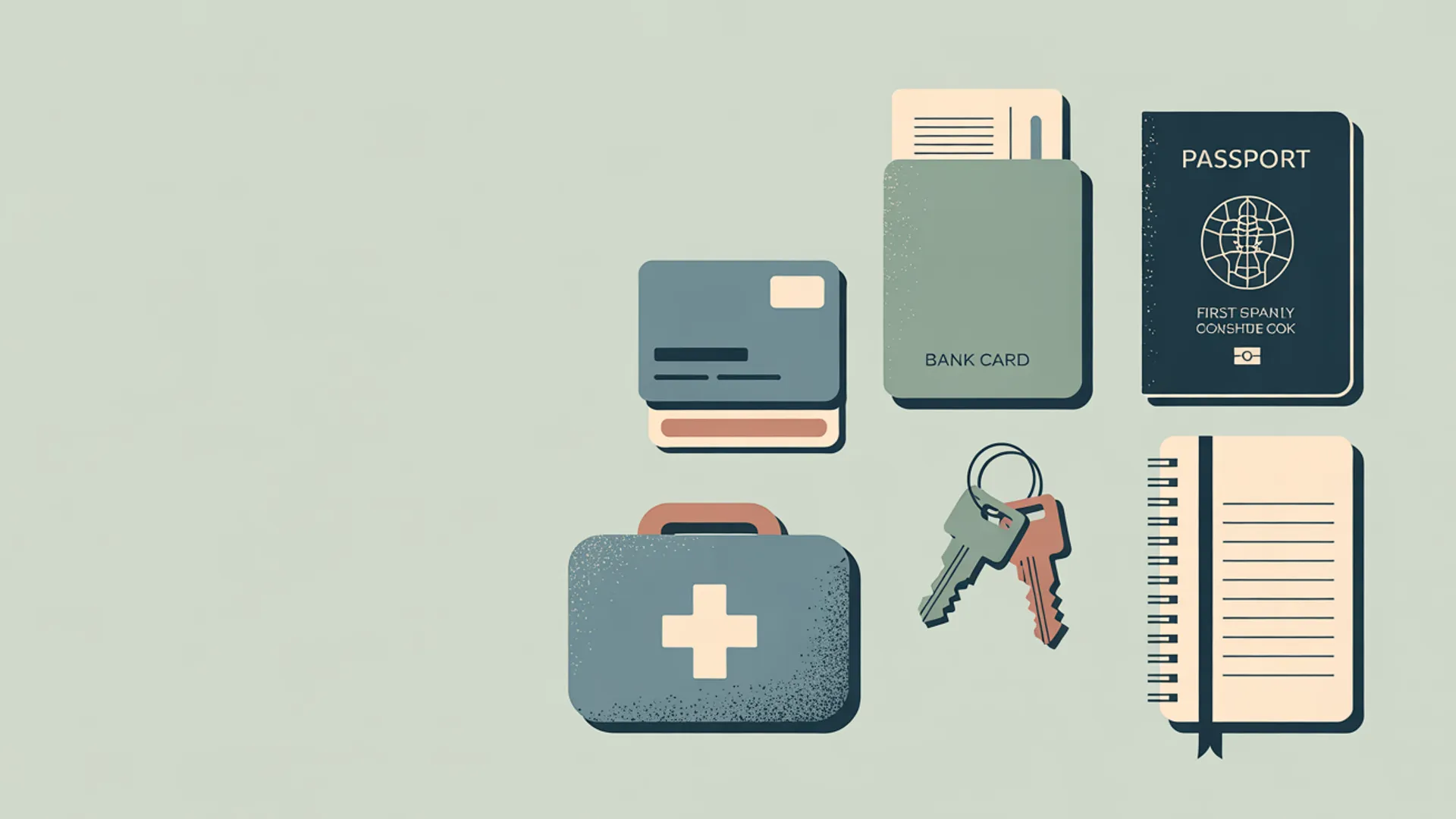
What this guide does:
- Shows a typical planning order that works for many people
- Explains why certain steps usually come before others
- Points you to more detailed information on each topic
- Helps you feel more confident about where to start
What this guide does not do:
- Tell you what to do (those decisions are yours)
- Give legal, tax, financial, immigration, or medical advice
- Promise that any particular approach will work for your situation
- Replace research specific to your destination
If you’re feeling overwhelmed, that’s normal. Most people feel that way at the start. The goal here is to help you see the shape of what you’re dealing with so it feels more manageable.
The Expat Planning Checklist (With Context)
Here are the main parts of planning an expat move, in the order that most people handle them.
Step 1: Decide Where You’re Going and How Long You Plan to Stay
Everything else flows from this. The country you choose affects your visa options, banking setup, healthcare requirements, and daily costs. How long you plan to stay affects what kind of visa you need and how much setup is worth doing.
Country vs. city matters. Choosing “Spain” is different from choosing “Barcelona” or “Valencia.” Within the same country, cities can feel completely different. Costs vary. Lifestyle varies. What’s easy in one city might be harder in another.
Short-term vs. long-term changes things. A three-month stay is different from a three-year plan. Short stays might work with tourist visas and travel insurance. Longer stays usually need residency permits, local bank accounts, and different healthcare coverage.
If you’re still exploring options, that’s fine. But narrowing down your destination—even roughly—helps you focus your research on what actually applies to you.
For an overview of how visas work in different countries, see visas.
Step 2: Understand Your Visa or Residency Options
Your visa determines how long you can legally stay and what you’re allowed to do while you’re there. It’s often the first thing to figure out because so much else depends on it.

What usually limits your stay:
- Your citizenship (some passport holders get easier access to certain countries)
- The purpose of your stay (work, retirement, study, remote work)
- How long you want to stay
- Whether you can meet income or savings requirements
Documents people commonly need:
- Valid passport (often with 6+ months remaining)
- Proof of income or savings
- Health insurance that meets specific requirements
- Background check (sometimes)
- Proof of housing or accommodation plans
Why visas affect banking and healthcare: Some banks won’t open accounts until you have a visa or residency permit. Some healthcare enrollment requires residency status. Your visa type might require specific insurance coverage. These connections are why most people sort out visa questions early.
If your destination has specific visa categories for remote workers, retirees, or other situations, understanding those options early saves time later.
For more on how visa options work, see visas.
Step 3: Set Up Banking and Money Access
Once you know where you’re going and have a sense of your visa situation, banking usually comes next. You’ll need a way to access money in your new country and manage costs that might be in a different currency.
How people usually access money abroad:
- Keep a home country bank account for receiving income
- Open a local account in the new country for daily spending
- Use multi-currency accounts or cards for flexibility
- Set up international transfers for moving money between accounts
Why timing matters: Some banks require a local address to open an account. Some require a residency permit. If you wait until you arrive, you might spend your first weeks unable to pay rent or set up utilities. Looking into this before you go helps avoid scrambling later.
Common mistakes people run into:
- Assuming their home bank cards will work fine abroad (fees add up fast)
- Not checking if their bank will flag foreign transactions
- Waiting until arrival to research local banking options
- Underestimating how long account opening takes

Banking abroad is often more complicated than banking at home. Expect it to take longer and involve more paperwork than you’d think.
For more on how expats handle banking, see:
Step 4: Figure Out Healthcare and Insurance
Healthcare needs to be sorted out before you go—not after. Many visas require proof of health coverage. And even if yours doesn’t, having a plan for medical care in a new country matters.
What is often required vs. optional:
- Visa applications often require insurance that meets specific coverage levels
- Some countries require enrollment in local health systems after you establish residency
- Travel insurance might be enough for short trips, but longer stays usually need something more
Travel insurance vs. longer-term coverage: Travel insurance covers emergencies during trips. It’s designed for tourists, not residents. If you’re staying more than a few months, you’ll usually need international health insurance or enrollment in the local healthcare system (once you’re eligible).
Common misunderstandings:
- Assuming home country insurance covers you abroad (it usually doesn’t, or coverage is very limited)
- Buying the cheapest policy without checking visa requirements (some visas need minimum coverage amounts)
- Not reading what’s actually covered (evacuation? Pre-existing conditions? Dental?)
- Waiting until something goes wrong to figure this out
Healthcare abroad varies a lot by country. Some places have excellent public systems you can access. Others rely mostly on private insurance. Research what applies to your destination.
For more on healthcare options for expats, see:
Step 5: Do a Cost of Living Reality Check
Before you commit to a destination, make sure you actually know what living there costs. This sounds obvious, but many people rely on outdated information or general country averages that don’t reflect real life in specific cities.
The big expense categories:
- Housing (often the largest chunk of your budget)
- Food (groceries and eating out)
- Transportation (public transit, car, or neither)
- Utilities (electricity, internet, phone)
- Healthcare (premiums, out-of-pocket costs)
Why cities matter more than countries: “Cost of living in Spain” doesn’t mean much. Living in Madrid costs more than living in a small town in Andalusia. Living in a tourist area costs more than a residential neighborhood. Get specific about where you’re actually planning to live.
What to watch for:
- Housing costs in popular expat areas can be much higher than city averages
- Currency changes can affect your budget if your income is in a different currency
- Some costs (like healthcare) might be lower than home, but others (imported goods, international schools) might be higher
If your visa requires a minimum income level, make sure your actual living costs leave enough room to meet that requirement comfortably.
For more on how costs work in different places, see cost of living.
Step 6: Handle the Remaining Details
Once the big pieces are in place—destination, visa, banking, healthcare, budget—there are still smaller things to sort out. These usually come later because they depend on the earlier decisions.
Documents you might need:
- Apostilled copies of important documents (birth certificate, marriage certificate, degrees)
- Certified translations of documents
- International driving permit
- Copies of your lease or proof of address
Local registration: Many countries require you to register with local authorities after you arrive. This might involve:
- Registering your address with the municipality
- Getting a local ID number or tax number
- Enrolling in local social services (if eligible)
Things people usually deal with later:
- Setting up utilities in your name
- Finding a local doctor or dentist
- Getting a local phone number
- Figuring out day-to-day logistics (grocery stores, pharmacies, transportation)
These details feel less urgent than visas and banking, but they add up. Giving yourself time to handle them after arrival—rather than expecting everything to be sorted immediately—reduces stress.

Common Planning Mistakes to Avoid
Seeing what trips up other people can help you avoid the same problems.
Starting Too Late on Visas
Visa processing takes longer than people expect. What seems like a simple application often involves gathering documents, waiting for appointments, and dealing with processing times that stretch into months.
If you’re planning a move six months out, visa research should probably start now. If you’re planning for next month, you may already be behind (depending on the visa type).
Assuming Banking Is Simple
Opening a bank account abroad is not like opening one at home. You might need documents you don’t have yet. You might get declined without a clear reason. You might need to try multiple banks before one works.
Plan for banking to be harder and slower than expected. Have backup ways to access money while you sort it out.
Waiting Too Long on Healthcare
Health insurance isn’t just about protecting yourself—it’s often a visa requirement. Discovering that your policy doesn’t meet requirements a week before your application deadline creates unnecessary panic.
Sort out healthcare early enough that you can adjust if your first choice doesn’t work.
Using Rigid Checklists Without Context
Generic checklists can point you in the right direction, but they can’t account for your specific situation. What worked for someone moving to Portugal on a retirement visa doesn’t apply to someone moving to Mexico on a digital nomad visa.
Use checklists as starting points, not scripts. Adapt based on your destination, your visa type, and your circumstances.
How to Use ExpatSetup From Here
This site is organized to help you dig deeper into whatever you need to figure out next.
The Main Hubs
Each major topic has a hub page that gives you an overview and links to more specific information:
- Visas — How visa and residency options work
- Banking — Opening accounts, moving money, managing currency
- Healthcare — Insurance options and how healthcare systems work abroad
- Cost of Living — What things actually cost in different places
Guides
Guides (like this one) explain how different parts of expat life fit together. They’re meant to help you understand the big picture.
City and Country Pages
Where available, country and city pages give you specifics about particular destinations. These are useful once you’ve narrowed down where you’re going.
Choosing Your Next Page
- Not sure where to go? Start with cost of living to see how expenses compare across places.
- Know the country, not the visa? Start with visas to understand your options.
- Worried about money logistics? Start with banking to see how people handle it.
- Confused about healthcare? Start with healthcare to understand your options.
There’s no required reading order. Go wherever your questions take you.
Final Thoughts
Planning an expat move is a lot to take in. But it’s also something that thousands of people figure out every year.
The steps don’t have to happen in a perfect sequence. Things overlap. Plans change. What matters is making progress on the pieces that apply to your situation.
Start with where you’re going and how long you plan to stay. Then work through the visa, banking, healthcare, and cost questions in whatever order makes sense for you.
When something feels confusing, that’s normal. When something takes longer than expected, that’s normal too. The process is messy, but it’s doable.
You’ve got this.
Important: This content is for informational purposes only and does not constitute legal, tax, or financial advice. Requirements and procedures may change. Always verify current requirements with official sources and consult qualified professionals for individual circumstances.